
Learn

- Share:
-

-

-

-


Personal Trust Corner - A J.D.’s Perspective
Protecting Your Legacy: The Critical Role of Estate and Succession Planning for your Business Owner Clients
By Amy Piedmont, J.D., LLM, Vice President, Sr. Trust Relationship Manager and
Katherine “Kate” Gambill, J.D., Vice President, Sr. Trust Relationship Manager
As a successful business owner, you have spent years — possibly decades — building your business, reputation and wealth. However, most owners have not taken the steps necessary to ensure that what you’ve built will endure after you are gone.
Too often business owners get caught up in the demands of daily operations and postpone long-term planning. Yet, without a comprehensive strategy for both estate and business succession plan, even the most successful ventures can unravel quickly.
In our series, “The Personal Trust Corner: A J.D.’s Perspective,” we aim to highlight important issues that may affect Synovus clients and strategies that may be employed to protect these clients and their estates. This month, we turn the spotlight on estate and succession planning for business owners.
Failure to Plan
One-third of all business owners have no succession plan. In fact, 30% of family-owned businesses make it to the second generation, 12% to the third generation and 3% to the fourth generation (sba.gov). The primary reason for the businesses not surviving is the failure to properly structure a succession plan.
Whether you are a business owner, executive or partner in a professional firm, business succession planning is not just an option — it’s a necessity.
What is Business Succession Planning?
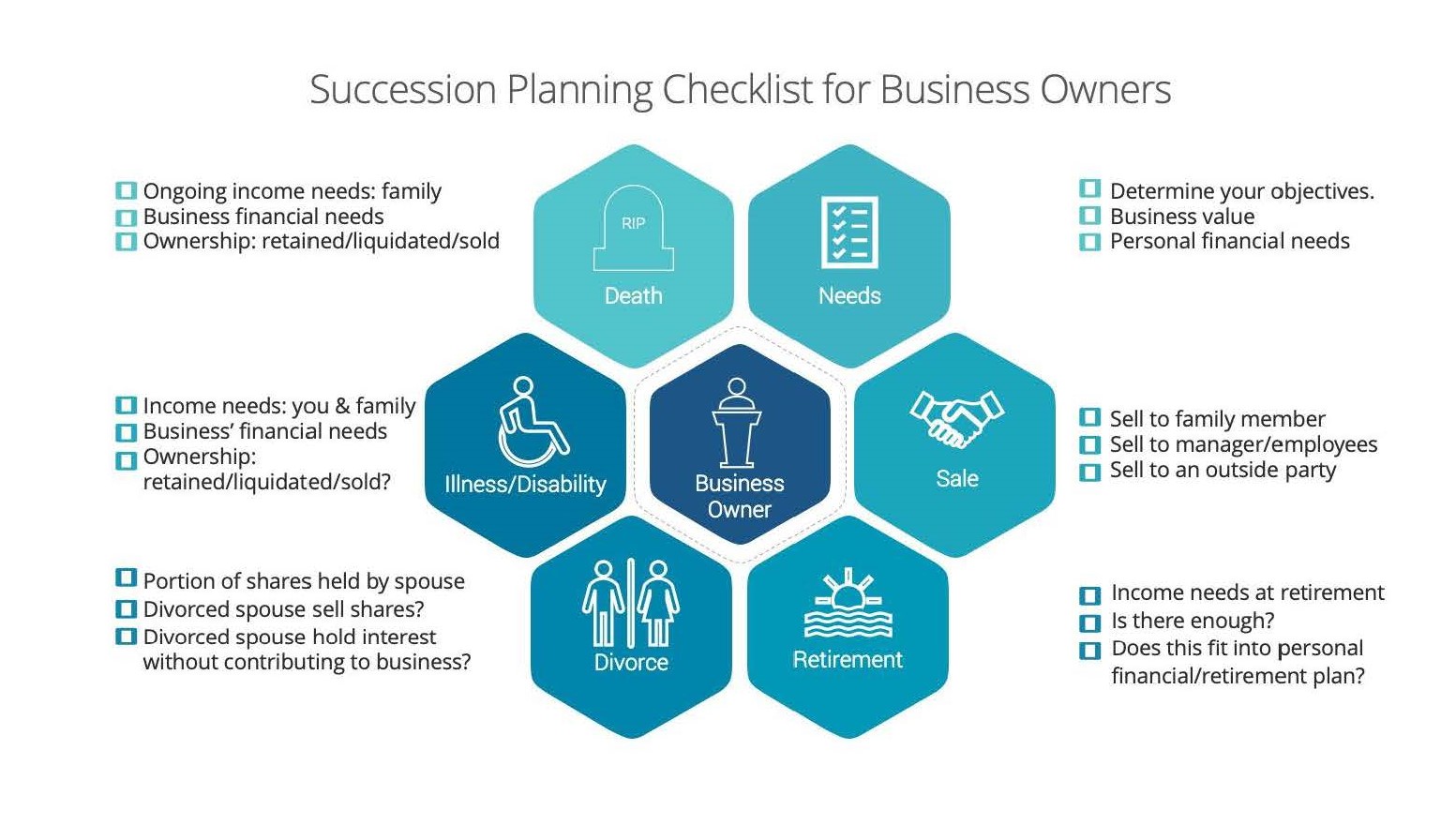
Business succession planning is the process of identifying and developing who will continue to run the business when the current owner retires, becomes disabled or dies. Without proper planning — including both succession planning and estate planning — upon the death of an owner, the business will pass according to state laws. More often than not, this would have devastating impacts on the likelihood that the business will continue as employees and partners do not desire to continue to work for or with the deceased owners’ spouse or children.
Why a Succession Plan Matters
- Preserves Business Continuity
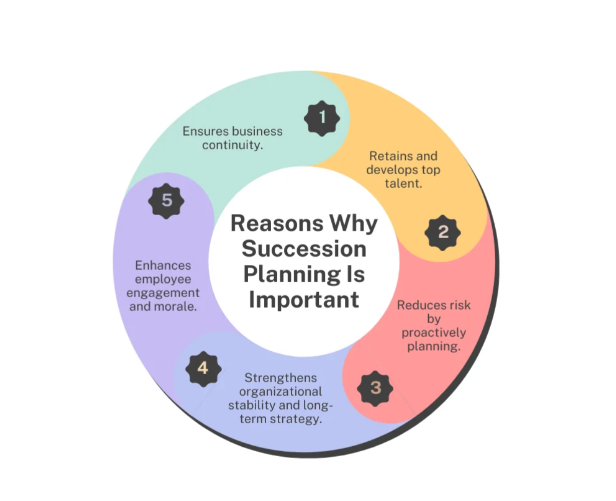
Unexpected events can happen at any time. A strong succession plan helps avoid costly disruptions and ensures the business continues to operate efficiently during transitions.
By way of example, if a business owner suddenly dies of a heart attack without a business succession or estate plan in place, a probate will be required to address who will assume control and ownership of the business. To initiate this process, a personal representative needs to be appointed by the court, which can take at least a month to finalize. And this would just be the beginning of the process. The minimum duration of a probate process is three months, while typical probates can range from six months to several years to complete.
This leads to several potential issues for the business: who is controlling during the probate; are key employees protected or will they leave in the interim; is the business continuing to be profitable to care of the deceased owner’s family; and who will inherit the business at the conclusion of the probate — all of which could have been solved with proper succession and estate planning. - Asset Protection
Proper estate planning safeguards the business owner’s assets from unnecessary taxes, creditors and legal disputes. It ensures that the wealth accumulated over a lifetime is preserved and distributed according to the owner’s wishes. - Increasing Value of Business/ Retirement Planning
Proactive planning has shown to increase the company valuations and investor returns by 20-25%. Planning demonstrates there will be a smooth transition, prevents disputes and provides assurances that key employees will remain with the company even after the owner is no longer involved. By increasing the value and having a plan, the transition of the company to a new owner can help fund your client’s retirement. - Preserving Client’s Legacy
For family-owned businesses, succession planning is essential for preserving the founder’s legacy and vision. By carefully selecting and preparing the next generation of leaders, the owner ensures the business remains true to its roots and continues to reflect its core values.
Key considerations of a Comprehensive Business Succession and Estate Plan for Business Owners
Creating a robust business succession and estate plan is essential for business owners to secure their business and protect their assets. Here are the key considerations required for a comprehensive plan:
- Clear Succession Strategy. Who has the skills and desire to take over the company? Oftentimes business owners fail to plan as they assume a family owner will want to inherit and take over the business; however, this is not a valid assumption. Therefore, the owner must not only identify who will be his successor but invest in training and developing said persons to ensure success in their future roles.
- Documentation. A business owner, like all individuals, needs a will or revocable trust and Durable Power of attorney for property and health care. These documents will determine how the business assets will be distributed in the event of death, who will administer the estate and who will make decisions for the business owner should become incapacitated. In addition to the estate planning documents, a business owner needs to establish a buy-sell agreement that outlines the terms for how a partner may be bought out and what happens upon a partner’s death or incapacitation. The buy-sell agreement can include terms on valuation of the business interest and helps avoid disputes and ensures a fair transition of ownership.
- Communication and Transparency. It is advisable to schedule a joint meeting with family members and stakeholders in order to ensure your wishes are followed with as little conflict as possible. Discuss roles, responsibilities and who is interested in continuing on the business to foster alignment and prevent misunderstandings. Involve your legal teams and financial advisors in these discussions to ensure the business succession and estate plan accurately reflect the your vision.
- Other planning. Having the business valued periodically is essential for planning for retirement and tax planning purposes. In addition, as a business owner, you should consider insurance planning not just for liability but for payment of taxes or a buyout provision under the buy-sell agreement.
By employing a holistic approach that combines financial expertise, legal insights and strategic foresight, you can help safeguard your business, protect your assets and secure a lasting legacy for future generations. By prioritizing these essential planning processes, you can rest assured that your business will thrive, your wealth will be preserved and your families will be well positioned for continued success. At Personal Trust, our commitment is to guide you through this intricate landscape, helping you achieve ideal outcomes.
Please reach out to our Senior Trust Relationship Managers: Amy Piedmont, J.D., LLM, Vice President, in Pensacola, Florida and Katherine Gambill, J.D., Vice President, in Atlanta with any questions or to start a conversation regarding estate planning. We welcome the opportunity to introduce you to how Synovus Trust Company can serve your needs.
Important disclosure information
Asset allocation and diversifications do not ensure against loss. This content is general in nature and does not constitute legal, tax, accounting, financial or investment advice. You are encouraged to consult with competent legal, tax, accounting, financial or investment professionals based on your specific circumstances. We do not make any warranties as to accuracy or completeness of this information, do not endorse any third-party companies, products, or services described here, and take no liability for your use of this information.