
How to Spot Two Types of Package Delivery Scams
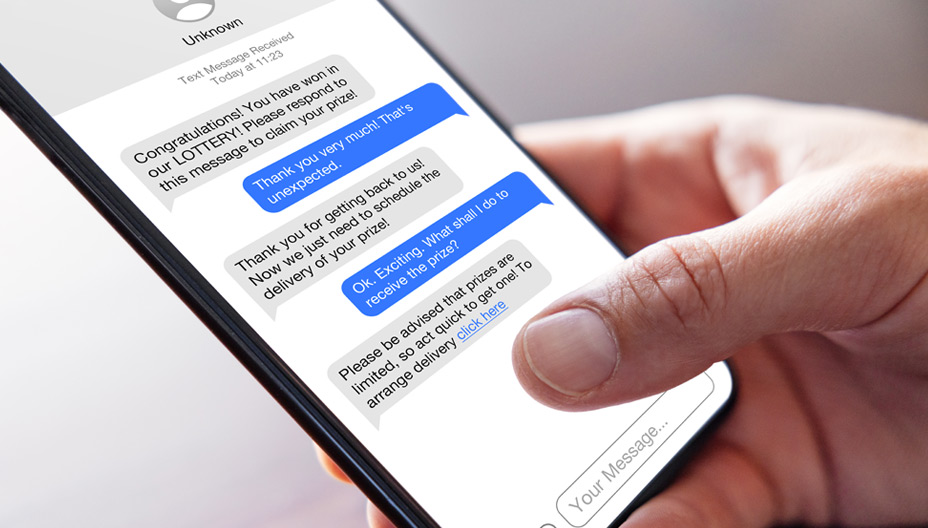
In 2024, Massachusetts' Grant Smith got a text message many of us have seen, telling him that his U.S. Postal Service (USPS) package couldn't be delivered until he clicked on a link to resolve the issue.1 Smith didn't fall for the common smishing scam, but he later found out his wife had received the same text and had entered her credit card into the fraudulent link.
The scammers had defrauded the wrong wife. Smith is a security researcher who spent weeks tracking down and hacking into the Chinese-language system that supported the illegal venture. He then gathered up the stolen personal data, including 390,000 credit card numbers, and handed it all over to authorities. Smith found that the scammers were sending out 100,000 texts a day.
Hopefully, his wife was impressed. But not all of us have cyber-vigilante spouses to protect us. And that's not the only package-related fraud out there. American households receive an average of 165 packages per year, and scammers have found ways to take advantage.2
As an aside, another recent trend has been linked to toll road fees not being paid. Fraudsters send text messages telling the recipient they're at risk of late fees or fines, or even suspension, if they don't pay. This smishing scam registered 59,271 complaints and $129,624 in losses in 2024, according to the Federal Bureau of Investigation's (FBI) annual Internet Crime Report 2024.3
In any event, here are two ways fraudsters use consumers' shipping habits to steal money, data and identities.
Package Delivery Text Message Scam
Many Americans have experienced the smishing scam that ensnared Smith's wife. Smishing is the term for text-message-based phishing. And phishing is any scam where a fraudster sends out emails, texts, or other messages under a false name with the aim of leading the receiver into a scam. Phishing is the FBI Internet Crime Complaint Center's most commonly reported fraud, with more than 300,000 reports in 2024, costing victims $70 million, almost four times the losses reported in 2023.3
How Package Delivery Smishing Works
Package delivery smishing can end a few different ways, but it typically begins similarly to what happened to the Smiths: A would-be victim receives a text message claiming to be from USPS, UPS, FedEx, or another package carrier. The text usually states that the carrier has a package to deliver to the recipient, but there is a delivery issue, directing the recipient to a link to resolve it.
Sometimes the link will lead victims to a page requesting credit card information to pay outstanding postage. Other times, the link will simply ask for personal information for the scammer to collect. The link could also automatically download malware — malicious software programmed to disrupt or damage a device's operation, gather sensitive information, or give someone access to your computer.
How to Protect Yourself from Package Delivery Phishing
Fortunately, the preventative measures for package delivery smishing scams are pretty straightforward: Never click on a link in any text claiming to be from a package carrier. If you are expecting a package from the carrier, find your original, legitimate tracking information, locate the shipper's contact information and reach out to them yourself.
Package Brushing Scam
Some of the trickiest scams are those in which the potential gains for the perpetrator aren't clear. Like when a package arrived on Anna Hutchinson's Minnesota stoop full of baby shower decorations she didn't order.4 It wasn't a misdelivery, but a scam known as brushing. Hutchinson didn't detect any harm in the incident, but her personal information and finances could have been at risk.
 Phishing is the FBI Internet Crime Complaint Center's most commonly reported fraud, with nearly 300,000 reports in 2023 costing victims $18.7 million.
In 2020, all 50 states issued warnings about a trending brushing scam involving packages of seeds from China, and the Better Business Bureau continues to receive regular complaints about the scam.5,6
How Brushing Works
How does receiving a product you didn't order harm you? That is the question many brushing victims have. Behind the scenes, however, a brushing scam is a type of identity theft. The fraudster is associated with the product seller in some way and ships products to other people in order to post verified reviews under the victim's name on Amazon or other marketplaces. Positive reviews help the product surface higher in the marketplace's search and convince people to buy it.
If you're a victim of a brushing scam, at best, a fraudster has your name and address. At worst, they may also have your login information to the marketplace where they posted the fraudulent review.
Some brushing scams even go a step further, including a note and QR code in the package prompting the receiver to open a website to learn more or register their gift.7 This is a quishing scam — phishing, but using a QR code — and the code leads to a malicious site that aims to collect personal data or credit card info, or deliver malware to the victim's device.
How to Protect Yourself from Brushing
While there's not much you can do to prevent someone from sending you a package, if you receive something you didn't order and you can't verify how or why it reached you, it's safe to assume it could be a brushing scam. The Better Business Bureau offers these steps to prevent the scam from being successful:6
- Notify the marketplace. Fake reviews are against Amazon's policies, so it or any other online marketplace will likely want to investigate.
- Look for fake reviews in your name. Search the product you received to see if anyone has posted a review in your name, and request any fake reviews you find to be removed.
- Review your marketplace account. Cancel any additional suspicious orders if you find them and change your account login info.
- Watch your credit reports and credit card bills. Brushing may or may not expose your financial and personal data. Watch your credit reports extra closely for a while.
Here's the good news: You can keep the product! The Federal Trade Commission says so.8
The pandemic dramatically shifted U.S. consumers' shopping behavior, which contributed to the jump in packages delivered to homes. While this is generally very safe, it's wise to be aware of the ways in which scammers capitalize on the trend.
If you believe you've been victimized by package delivery phishing or a brushing scam, follow the steps in our article "What to Do if You Are a Victim of Fraud" to learn how to protect your finances from further harm.
-
The New Guidelines for Identifying AI Deepfakes
Deepfake scams are all over the internet — and sometimes at the other end of victims' phones. Here are the latest guidelines to stay safe.
-
Looking to Improve Your Credit Report? Avoid These Scams.
Looking to repair your credit? Don't get scammed along the way. Watch for these credit repair scams to protect yourself.
Important disclosure information
This content is general in nature and does not constitute legal, tax, accounting, financial or investment advice. You are encouraged to consult with competent legal, tax, accounting, financial or investment professionals based on your specific circumstances. We do not make any warranties as to accuracy or completeness of this information, do not endorse any third-party companies, products, or services described here, and take no liability for your use of this information.
- Susan Young, "How a Husband Hacked the Scammers Who Targeted His Wife, Then Gave Investigators the Info He Learned," People Magazine, published November 18, 2024. Accessed May 15, 2025. Back
- Pitney Bowes, "Pitney Bowes Parcel Shipping Index," accessed May 15, 2025. Back
- Internet Crime Complaint Center, "Internet Crime Report 2024," Federal Bureau of Investigation, published April 2025. Accessed May 15, 2025. Back
- Kirsten Mitchell, "Receive a package you didn't order? You might be a victim of a brushing scam," CBS News, published August 4, 2023. Accessed April 25, 2025. Back
- Harmeet Kaur, "All 50 states have issued warnings about those mysterious packages of seeds," CNN, published July 29, 2020. Accessed April 25, 2025. Back
- Better Business Bureau, "BBB Tip: 'Brushing' scam indicates a serious problem for victims," published August 19, 2024. Accessed May 15, 2025. Back
- Sarah Schreiber, "USPS Warns of Engagement Ring 'Brushing' Scam Amid Cyber Monday Shopping," Brides, published December 2, 2024, accessed April 25, 2025. Back
- Federal Trade Commission, "What To Do if You’re Billed for Things You Never Got, or You Get Unordered Products," published August 2022, accessed May 15, 2025. Back