

Please be aware that some Synovus clients have received calls from the "Synovus fraud department." It is a scam. It is best to stop, drop and call Synovus directly. Synovus will NEVER call, email or text you asking for personal information, login credentials or computer access. If you receive a request claiming to be from us, don’t respond. Call us directly at 888-SYNOVUS (888-796-6887) to report the incident.
Manage and Resolve
Fraud can happen to anyone, even the most vigilant and informed individuals. Scammers are skilled at exploiting fear, urgency and confusion, often preying on your stress or instinct to be polite.
This past January Synovus and Pinnacle Financial Partners became one firm. As part of that, we're focusing on merger scams in this episode of the Pinnacle + Synovus Fraudcast.
What to do if you’ve been affected by fraud
You can either visit your local branch or call us anytime at 888-796-6887 to report fraudulent or suspicious activity.

When our virtual assistant picks up, say “Fraud on my account,” and explain the issue:
- “Lost or stolen debit card”
- “Lost or stolen checks or checkbook”

If you’ve noticed fraudulent transactions on your account, you can say:
- “Fraudulent activity”
- “Dispute a transaction”

Or if you aren’t sure, you can say:
- “Suspicious activity on my account”
- “Identity theft”
What to do about identity theft
Looking for fraud and risk management for your organization? Visit our Commerical Insights Center.
Management and resolution articles

Understanding Account Takeover Scams
August 12, 2026 | 3 min read
Account takeover is when fraudsters take over one or more of your financial accounts. They may call and ask for personal info.

7 Ways to Protect Yourself From Identity Theft
March 29, 2024 | 3 min read
Identity theft is far too common. Here’s how to protect yourself — and what to do if you’re a victim of this fraud.
Learn and Prevent
Emerging technologies and fraud tactics are being used to steal identities and take over finances; some are new, while others are more sophisticated approaches to common practices. The good news is, you can prevent these scams from happening to you.
Spot fraud in everyday communication

Tailored Solutions
Look out for callers claiming to represent trusted institutions asking for personal information or demanding immediate payment. Scammers often use high-pressure tactics or spoofed caller IDs to appear legitimate.

Social media and online ads
Be cautious of offers that seem too good to be true, like “free giveaways” or investment schemes. Scammers often create fake profiles, pages or ads that mimic legitimate businesses to steal information or money.

Email or texts
Beware of unsolicited messages asking you to click links or download attachments. Fraudsters often disguise themselves as trusted companies or use alarming language to trick you into acting quickly.

Websites and apps
Always verify the legitimacy of websites or apps before entering personal information or downloading them. Look for secure website URLs that begin with “https” and avoid apps that request excessive permissions or lack clear developer information.
Is it Synovus?
No reputable financial institution — including Synovus — will ever call, email or text you to ask for personal information. To help you spot the difference, here’s what scammers often do and what we’ll never do.
Scammers often:
- Tell you your money isn’t safe or your account’s at risk
- Create elaborate stories about why you need to do something, often posing as an authority figure to earn your trust
- Pressure you, saying you could get in trouble or arrested
- Claim you need to move money due to a fraud investigation
- Encourage you to lie to bank staff or family and friends about your payment
- Direct you to make a payment, telling you which payment method to choose
- Ask you to buy gift cards to pay them
Synovus will never:
- Ask for your PIN or online banking information
- Tell you your money isn’t safe or your account’s at risk
- Ask you to transfer money to protect it from fraud
- Ask for your help with an investigation
- Text you a link to make a payment
- Tell you to lie to anyone about a payment or withdrawal
- Send a courier to pick something up from you
- Ask for remote access to your device
- Share your personal details to convince you it’s us
- Discourage you from verifying any communication you receive from us
Education and prevention articles

What Are Common Types of Credit Card Fraud?
November 17, 2025 | 4 min read
Learn more about the most common types of credit card fraud and what steps you can take to protect yourself from becoming a fraud victim.
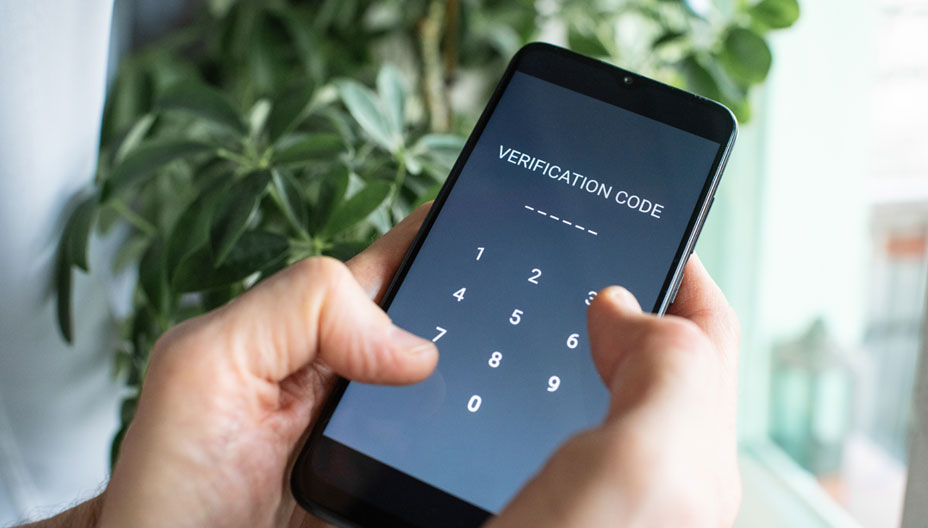
Shhh! Don’t Tell Anyone That Access Code!
November 18, 2025 | 4 min read
One-time access codes are for account owners’ eyes only, but scammers are tricking victims into sharing them.

How Criminals Can Use ChatGPT for More Effective Phishing
April 24, 2025 | 5 min read
ChatGPT and other chatbots can help make phishing fraud harder to detect. Here’s how to detect the next generation of phishing messages.

The New Guidelines for Identifying AI Deepfakes
March 16, 2026 | 5 min read
Deepfake scams are all over the internet — and sometimes at the other end of victims' phones. Here are the latest guidelines to stay safe.

Merger Scams and What to Know
December 29, 2025 | 4 min read
When a business merges with another, scammers love to exploit the transition. Be on the lookout for various tactics bad actors might use.