
Ensuring Sustainable Leadership for State and Local Government

Retirement and leadership transitions are becoming more frequent in state and local government. In a survey of human resource managers at state and local agencies, 54% said they expect a large wave of retirements in the next few years.1 These shifts create potential gaps in expertise and experience, as well as threaten policy implementation and delivery of essential services. Yet only 12% of these agencies have a succession plan.2
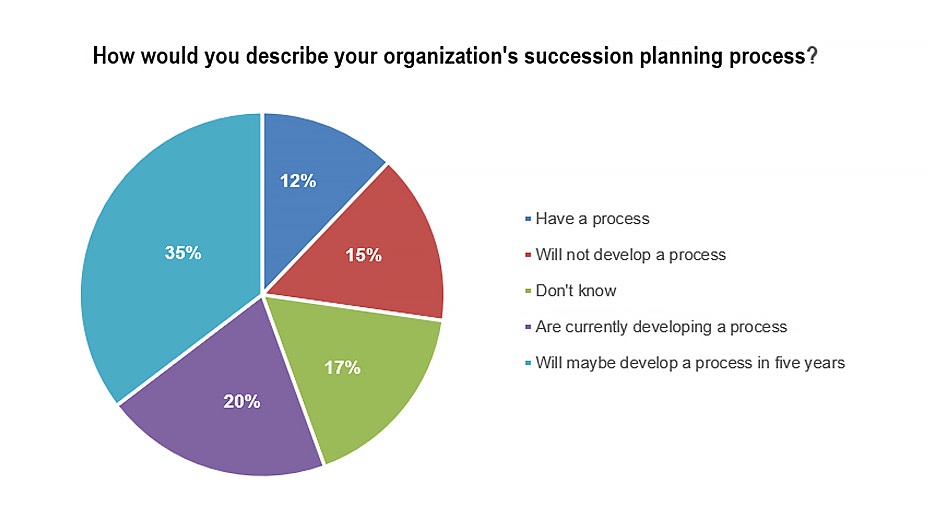
Succession planning equips state and local governments to address talent shortages, adapt to evolving societal needs and ensures the leadership needed to successfully navigate political, economic and bureaucratic complexities. When government agencies prioritize succession planning, leadership transitions are smoother, organizational knowledge is preserved and a sustainable framework for governance is secured.
What is succession planning?
Succession planning in the public sector is a proactive, strategic talent management approach that identifies and develops government leadership to fill key roles within an organization. While often associated with private enterprises, succession planning is equally critical in the public sector — federal, state and local — to ensure public services are efficiently administered and remain uninterrupted.
“At the state and local level, leaders are expected to actively engage with the constituents and communities they serve,” says Synovus’ Senior Director of Government Banking Lee Ann Kirwin. “These individuals are often the ‘face’ of their communities, advocating for critical services and programs. Such activism requires unique skills,” she says.
Skilled government leadership can effectively manage such complex challenges as financial disruptions and budget constraints, maintaining continuity when elected officials and staff change, and bureaucratic rigidity with strategic vision and resilience.
Effective succession planning drives continuity and resilience.
Selecting a qualified leader for state and local government isn't merely filling a role; it’s necessary to safeguard the continuity of public administration. Identifying potential leaders early and investing in their growth and development enables public entities to create a talented pipeline of individuals capable of stepping into critical roles with confidence and competence when the need arises. When implemented effectively, succession planning offers a range of benefits.
- Strengthens organizational resilience
Public organizations often oversee long-term infrastructure and economic development projects and policies that require steady leadership. Succession planning ensures staffing transitions don’t disrupt these critical initiatives and strengthens organizational adaptability.
- Enhances public trust
Stable leadership augments a government’s ability to deliver services consistently and ensures that constituents’ interests are effectively represented. This establishes trust and legitimacy among citizens and stakeholders.
- Mitigates talent shortages
Budget constraints and competition from the private sector make attracting and retaining skilled professionals in state and local government challenging. Succession planning helps nurture internal talent and reduce reliance on external hiring. A cost-effective strategy, internal promotions require less time and expense than external recruiting. Employees are also more likely to remain committed to an organization that invests in their professional growth and offers clear pathways to advancement.
- Increases diversity
State and local governments serve diverse communities with varying needs. Leadership must not only foster equity and inclusion but also bring heterogenous perspectives into decision-making processes. Encouraging diverse viewpoints enriches problem-solving and innovation, equipping the agency to better address the evolving needs of a multifaceted society. Succession planning is more than a tool for continuity — it becomes a catalyst for transformative progress within state and local government.
 Fifty-four percent of HR managers at state and local agencies expect a wave of retirements in the future.1
Implement best practices for effective public sector succession planning.
Effective succession planning requires a strategic approach tailored to the public sector’s unique environment. Focusing on these key elements will ensure your plan achieves leadership development, fills critical roles, is inclusive and increases organizational resilience.
- Align succession planning with the organization’s strategic goals.
Succession planning should directly tie to the agency’s mission, vision and strategic objectives. Understanding the organization’s future leadership needs enables HR and management to focus development efforts where they are most critical.
- Identify critical roles.
Focus on positions that are vital to organizational success, such as executive roles, department heads and specialized experts. Evaluate the current workforce to pinpoint gaps in skills, leadership potential and upcoming retirements.
- Conduct workforce planning and talent assessments.
Evaluate current employees for potential to grow into future roles. Use tools like 360-degree feedback, performance appraisals and leadership assessments to recognize high-potential talent. Engage recruiters to assist in the search for external candidates with government leadership skills if applicable.
- Establish leadership competencies and individual development plans.
Develop a framework of leadership competencies tailored to your agency’s needs to inform training programs and performance evaluations. Design personalized development plans that prepare future leaders for new roles. These plans might include job rotations, mentoring, formal training and stretch assignments.
- Foster a culture of leadership development.
Encourage continuous learning, support innovation and reward leadership potential at all levels of the organization. Offer mentorship, cross-training and professional development opportunities.
- Promote knowledge transfer.
Structure documentation, mentoring programs and job shadowing to capture institutional knowledge. Encouraging senior employees to share their expertise ensures that valuable insights aren’t lost when they retire or leave.
- Use technology and data analytics.
Technology can streamline succession planning in state and local government, as well as provide actionable insights. For example, human capital management systems oversee an organization’s hiring and development. Workforce analytics and software components can track employee progress, assess government leadership readiness and analyze workforce trends. Data-driven insights help uncover potential risks and optimize talent pipelines.
- Foster inclusivity.
Ensure that succession planning reflects the organization’s commitment to diversity and equity. Actively seek out and support candidates from varied backgrounds.
- Communicate transparently.
Clearly articulate the purpose and benefits of succession planning throughout the organization. Involve employees in the process and emphasize its value to state and local government agencies. Transparency builds trust and encourages wider participation in development initiatives.
- Measure and adjust.
Succession planning in state and local government isn’t a one-time activity. Regularly review and adapt strategies to address changing organizational needs, workforce dynamics and external factors. Key performance indicators include:- Percentage of leadership roles filled internally
- Employee engagement and retention scores
- Diversity of leadership candidates
- Time to fill critical vacancies
- Training and development completion rates
Invest in your organization’s future.
As state and local government faces increasingly complex challenges, the need for succession planning will increase. Prioritizing government leadership helps ensure public agencies can effectively meet the needs of citizens and adapt to change.
Synovus has the expertise and experience to help state and local agencies prepare for the future. Call your Relationship Manager or contact Synovus Government Banking Solutions for more information on succession planning.
Strategic Advice
Lessons in Leadership: Under Pressure? Control What You Can
Strategic Advice
Top 2025 Business and Investment Trends
Strategic Advice
Recruitment and Retention Strategies for the 2026 Labor Market
-
Interest Rate News: Second Quarter 2026
Get Q2 2026 FOMC rate updates, forecasts and market insights. Also see how interest rate changes impact loans, mortgages, and business growth strategies.
-
AI Return on Investment Begins with Strategy, Not Technology
High-performing corporations embrace strategic AI adoption to fuel innovation, enhance efficiency and transform business models for sustainable growth and maximum profitability. Here’s how to win with AI.
Important disclosure information
This content is general in nature and does not constitute legal, tax, accounting, financial or investment advice. You are encouraged to consult with competent legal, tax, accounting, financial or investment professionals based on your specific circumstances. We do not make any warranties as to accuracy or completeness of this information, do not endorse any third-party companies, products, or services described here, and take no liability for your use of this information.